
Central Gas System Safety
LPG safety does not rest on a single device but on successive layers: sound design, disciplined installation, early detection, automatic shut-off, and staff who know what to do. This guide explains those layers and how they stay effective over time.
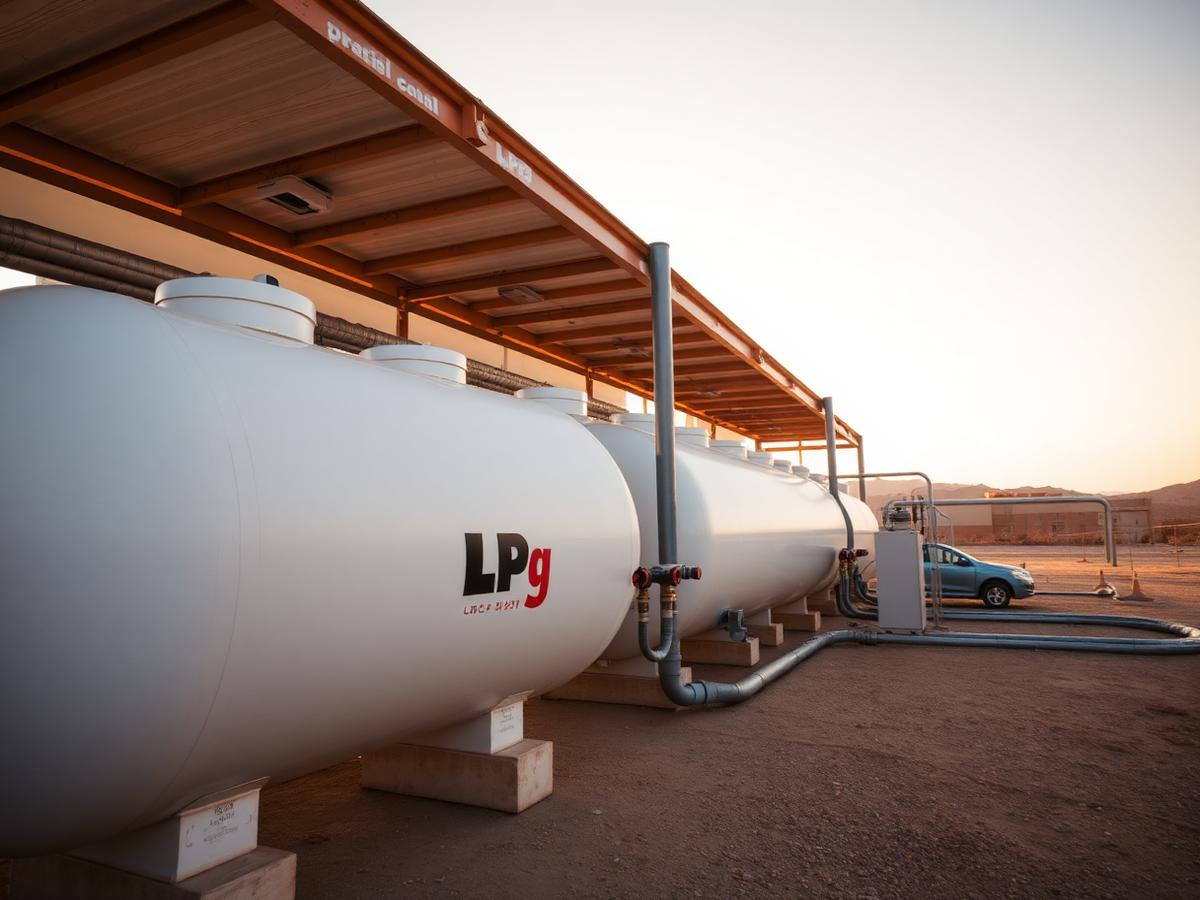
Gas properties and their design impact
- Heavier than air: it accumulates at low level, so detectors sit near the floor and low areas are ventilated.
- Flammable within a specific concentration range: the engineering objective is preventing that mixture from forming at all.
- Stored as liquid, used as vapour: the available withdrawal rate is limited by vaporisation in the tank.
- Odourised to aid detection, but odour is never a substitute for a detection system.
Protection layers
- Design: keeping storage away from occupied spaces and defining safe, inspectable routes.
- Installation: suitable materials and connections, disciplined workmanship, tightness testing before covering.
- Ventilation: preventing accumulation in enclosed and low areas.
- Detection: detectors in correct positions wired to a control panel.
- Shut-off: an automatically closing solenoid valve plus manual valves in known positions.
- People: trained staff who know the emergency procedure and where the shut-off valve is.
Emergency procedure
- Shut off the gas at the main valve or the emergency stop.
- Do not switch any electrical device or switch on or off in the area.
- Open natural ventilation and evacuate people from the space.
- Exclude any ignition source from the surroundings.
- Do not restore service before a technical inspection identifies and resolves the cause.
What keeps protection effective over time?
Protection systems age silently: a detector whose sensor has expired, a valve untested for years, a cracked flexible connection behind an appliance. Documented periodic inspection is the difference between real protection and installed devices nobody knows still work.
Common operating mistakes
- Disabling a detector or disconnecting the sounder because it is a nuisance.
- Storing materials in front of the shut-off valve or around the tank.
- Adding new appliances to a network whose capacity was never reviewed.
- Using unsuitable or expired flexible connections.
- No emergency-procedure training for new staff.
Frequently asked questions
Is odour enough to detect a leak?
No. Odour may go unnoticed in a busy environment, by preoccupied staff, or when nobody is present. A detection system works continuously and is tied to automatic shut-off — something odour cannot provide.
What are the most common leak sources?
Connections at appliances, ageing flexible hoses, points exposed to movement, impact or heat, and joints opened during earlier maintenance and never re-tested afterwards.
Who should know where the shut-off valve is?
Everyone who works in the space, not just the technician. In restaurants in particular, the whole kitchen team should know the valve and emergency stop locations and how to use them.
Related products

Industrial Gas Leak Detector TS282
Industrial gas leak detector for facilities with higher loads and risk.

Gas Control Panel – 16 Detectors
Central control panel managing gas detectors, alarms and valve shut-off.
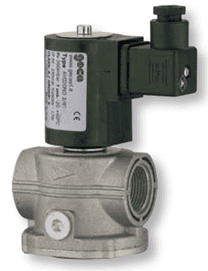
Normally Open Gas Solenoid Valve
Normally open solenoid valve that stays open in service and closes on an alarm command.
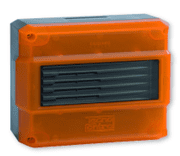
Gas Alarm Siren with Flashing Beacon
Alarm siren with flashing beacon that warns occupants when a gas leak is detected.
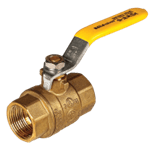
Gas Valve B300T
Manual gas valve used to isolate a line or appliance from the central gas network.
Related services
Related articles
Gas Leak Detection & Alarm Systems
How a Gas Leak Detection system works, and why it is always tied to emergency shut-off rather than an audible alarm alone.
LPG / Central GasLPG Testing & Commissioning
The steps for testing and commissioning a central gas system: tightness, purging, regulator setting, detection and shut-off tests, and handover.
LPG / Central GasWhat Is a Central Gas System?
An overview of the LPG Central Gas System — from tank to appliances — and why it replaces scattered cylinders.
LPG / Central GasCentral Gas for Villas
How a central gas system is designed for a villa: tank location, internal pipework, detection and emergency shut-off.
Have a project or an existing facility that needs an engineering review?
Our engineering team can review your requirement and propose a solution suited to the application, the site and the applicable requirements.