
What Is a Central Gas System?
An LPG central gas system carries gas from a single, secured storage source to every appliance through fixed pipework, instead of placing a cylinder beside each unit. That change reshapes both safety and operation — this guide explains how.
Defining the system
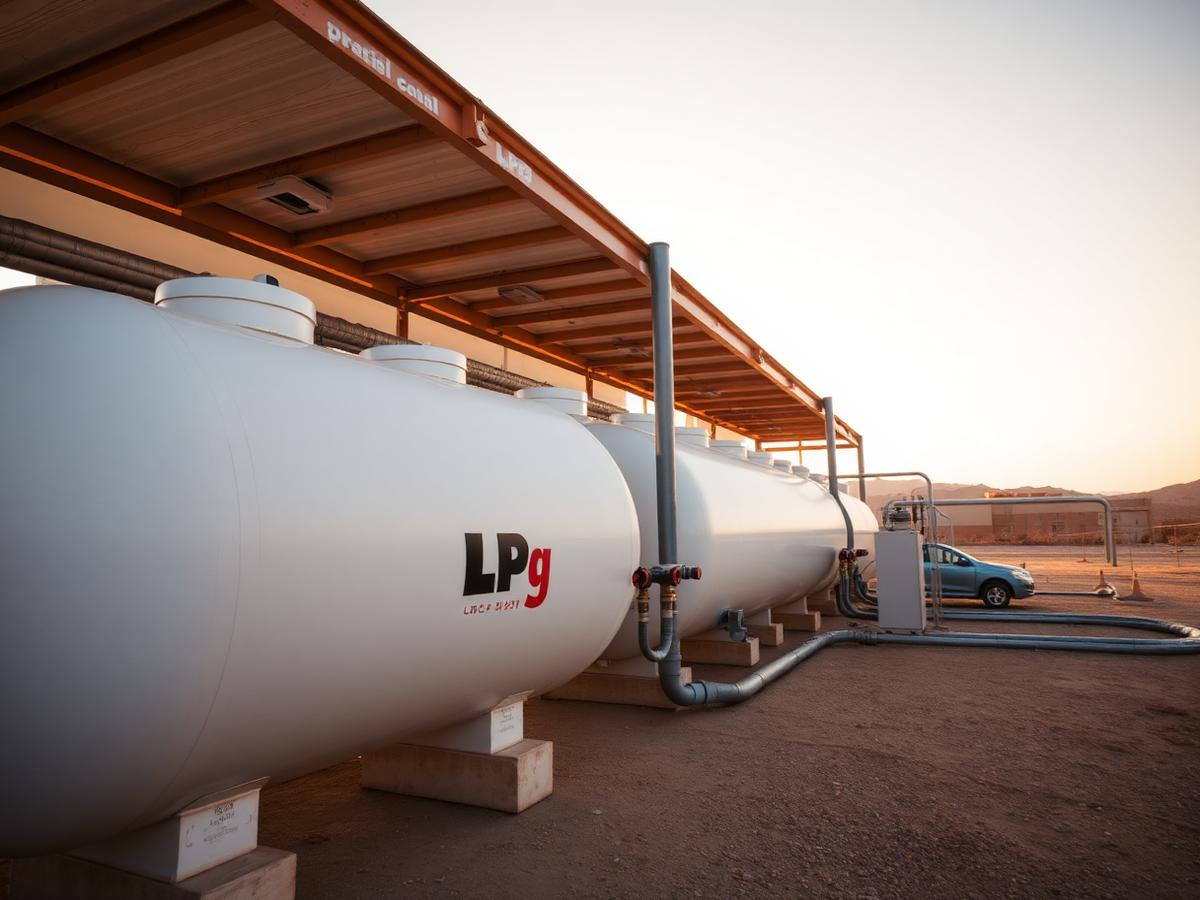
A central gas system is a storage and distribution arrangement that keeps the gas source outside occupied spaces and delivers it at low, regulated pressure to kitchens and appliances through a designed and tested network. The source may be an above-ground tank, an underground tank, or a cylinder bank depending on consumption and site.
Main components
- Storage source: an above-ground or underground LPG tank, or a cylinder bank.
- Pressure regulation: single or two-stage reduction depending on the design.
- Filters: capturing particulates before regulators and appliances.
- Pipework: fixed pipe with approved flexible connections at appliances.
- Shut-off devices: manual isolation valves and solenoid valves for emergency shut-off.
- Leak detection and alarm: detectors in exposed areas with a central control panel.
- Metering: consumption measurement per unit or tenant where required.
Why it is preferred over scattered cylinders
- Keeping stored gas volume away from occupied spaces and kitchens.
- Eliminating daily cylinder handling inside the building and its associated risks.
- Stable regulated pressure that improves appliance performance.
- The ability to shut the entire system down from a single point.
- Central supervision through leak detectors and an alarm panel.
- Accurate consumption measurement and allocation per unit where needed.
Where it is used
- Villas and residential compounds.
- Restaurants, cafés and central kitchens.
- Hotels and hospitality facilities.
- Schools and educational facilities with kitchens.
- Commercial and industrial facilities requiring gas fuel.
Design considerations
Design starts from an appliance schedule with consumption and operating pattern, then storage capacity and location, then pipe routing, sizing and the positions of isolation, metering and detection. Technical requirements are applied according to the specifications and regulations in force for the project and its approved design, with safe tanker access and future maintainability taken into account.
Safety
LPG is heavier than air and therefore accumulates at low level when it leaks. That single fact shapes the whole design: detectors near floor level, ventilation of low areas, avoiding pipe routes in unventilated enclosed voids, and an emergency shut-off that operates automatically on alarm.
Frequently asked questions
Can central gas be installed in an existing building?
In many cases yes, but it starts with a survey establishing a feasible tank location, pipe routes, ventilation and separation distances; the building's nature may dictate a different solution than a new build.
What is the difference between central LPG and natural gas?
Central gas here relies on LPG stored on site and refilled periodically, while natural gas arrives via a city network. The different gas properties mean different equipment, operating pressures and detector placement.
Who looks after the system after installation?
The facility handles daily operation, while periodic inspection, tightness testing and testing of detectors and emergency shut-off are carried out under a documented technical maintenance programme.
Related products

Above-Ground LPG Tank
Above-ground LPG tank for central gas storage feeding the facility network.
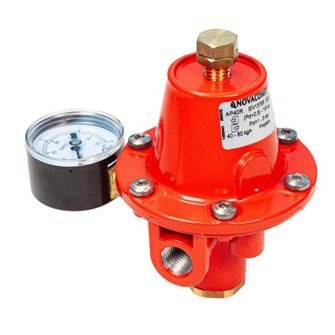
AP40 Adjustable First-Stage Regulator 1–3 bar
First-stage pressure regulator that steps tank pressure down to a stable distribution pressure.

Normally Closed Gas Solenoid Valve DN65
Normally closed solenoid valve that automatically cuts gas supply on power loss or a leak alarm.
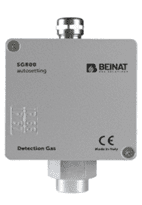
Water-Resistant Gas Leak Detector SG800
Water-resistant gas leak detector for wet or exposed locations.
Related services
Related articles
Central Gas for Villas
How a central gas system is designed for a villa: tank location, internal pipework, detection and emergency shut-off.
LPG / Central GasLPG Storage Tanks
The role of the LPG tank in the system, its essential fittings, capacity and siting criteria, and periodic inspection needs.
LPG / Central GasGas Leak Detection & Alarm Systems
How a Gas Leak Detection system works, and why it is always tied to emergency shut-off rather than an audible alarm alone.
LPG / Central GasCentral Gas System Safety
Safety principles for LPG systems: gas properties, protection layers, emergency procedures, and the inspections that keep them effective.
Have a project or an existing facility that needs an engineering review?
Our engineering team can review your requirement and propose a solution suited to the application, the site and the applicable requirements.