

Above-Ground LPG Tank
Above-Ground LPG Tank
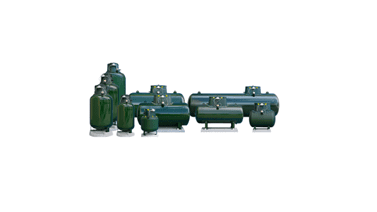
An above-ground tank is the most common central gas storage solution where the site allows the required safety distances. It offers easier inspection and maintenance and a lower installation cost than a buried tank.
What is it?
The tank is installed on an engineered concrete base within a defined zone respecting safety distances from buildings, boundaries and ignition sources, and is fitted with relief valves, a first-stage regulator, a contents gauge and a filling point. Capacity is set by expected daily consumption and the autonomy required between deliveries.
Features
- Easy visual inspection and routine maintenance
- Lower installation cost than a buried tank
- Relief valves and contents gauge
- Defined, safe filling point
- Multiple capacities to match consumption
- Integration with the gas detection system
Applications
- Villas and residential compounds
- Restaurants, cafés and central kitchens
- Hotels, halls and hospitality facilities
- Hospitals and educational facilities
- Bakeries and food factories
- Industrial facilities and central gas stations
Technical specifications
Technical specifications and brands are set per project and per the approved specification — contact us for the technical data suited to your case.
Brand / Manufacturer
Brand and manufacturer are set by the approved project specification and are not stated here before they are confirmed.
Related services
LPG Central Gas System Design
LPG central gas design for villas, restaurants and facilities: appliance load calculation, tank size and location, pressure reduction stages, network routing and the scope of leak detection and emergency shut-off.
LPG Systems & Components Supply
Supply of LPG system components: tanks and accessories, pressure regulators, filters, manual and solenoid valves, meters, rigid and flexible pipe, gas detectors and control panels.
LPG Central Gas Installation
LPG network installation: tank base preparation and setting, pressure reduction stages, main and branch pipework, meters, appliance connections, and installation of leak detection and emergency shut-off.
LPG Testing & Commissioning
LPG network testing and commissioning: pressure and tightness testing, joint inspection, regulator setting, leak detector and emergency shut-off testing, and appliance commissioning with documented reports and handover.
LPG Central Gas Maintenance
LPG system maintenance: tank, regulator and filter inspection, valve and meter checks, leak detector and emergency shut-off testing, leak surveys and fault rectification, with a condition report after every visit.
Related products
Related technical articles
What is Central Gas?
In preparation
LPG Storage Tanks
In preparation
Underground vs Above-ground LPG Tanks
In preparation
Frequently asked questions
What capacity suits a facility?
It is calculated from expected daily consumption of all appliances, a diversity factor and the required autonomy between deliveries, then checked against the site's safety distance constraints.
Does an above-ground tank need special protection?
Yes: impact protection, perimeter security and prevention of unauthorised access, together with natural ventilation and no ignition sources within the safety zone.
Have a project or an existing facility that needs an engineering review?
Our engineering team can review your requirement and propose a solution suited to the application, the site and the applicable requirements.