
Medical Oxygen Systems
Medical oxygen is the most critical service in any healthcare facility, because an interruption affects patients in intensive care, theatres and emergency directly. This guide explains the available source options, the logic behind source selection, and what the pipeline must provide for supply to be continuous and reliable.
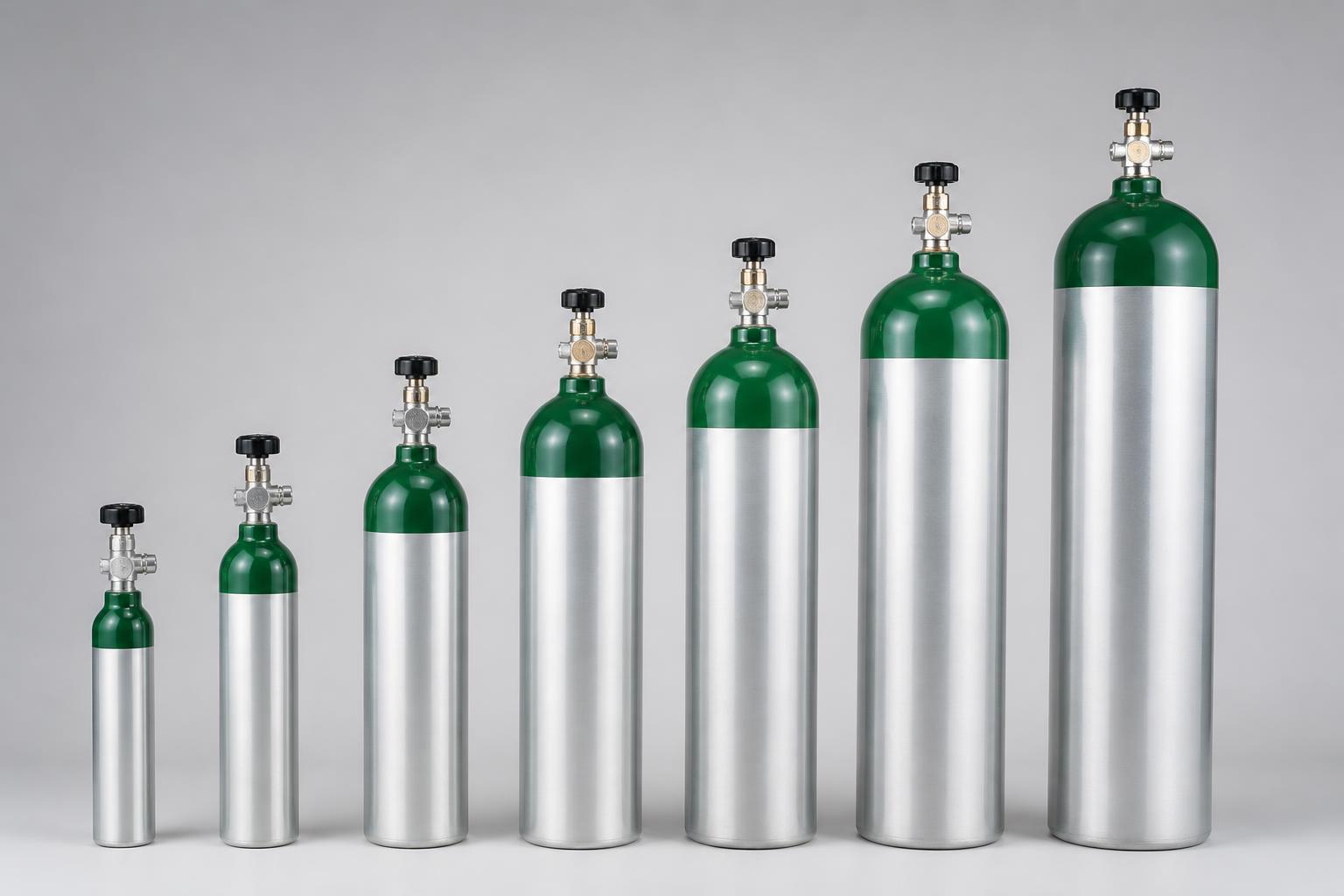
Medical oxygen sources
- Oxygen Manifold: a cylinder bank split into two alternating sides — suitable for small and medium facilities and as a reserve source.
- Liquid Oxygen Tank: suited to high consumption and larger hospitals, and reduces daily cylinder handling.
- Oxygen Generator: separates oxygen from ambient air on site, reducing dependence on an external supply chain.
In engineering practice a critical service is never left on a single source: the system is designed with a primary source, a secondary source, and an emergency arrangement that keeps supply available during maintenance or resupply.
How the right source is selected
- Expected consumption based on bed count and the mix of critical departments.
- Available space and the site requirements applicable to the source location.
- Supply chain availability and ease of refilling in the project's region.
- The facility's future expansion plan.
- Long-term operating and maintenance cost, not installation cost alone.
From the source to the patient
Oxygen leaves the source through a regulation panel that reduces pressure to line pressure, then travels via medical copper tube to risers and floors. Each clinical area has an AVSU for isolation, and branches terminate at oxygen-specific outlets that cannot accept another gas. In ICU and theatres these outlets are integrated into bed head units or medical pendants.
Design considerations
- Pipe sizes calculated to avoid pressure drop at peak simultaneous demand.
- Source location chosen with ventilation and safe delivery-vehicle access in mind.
- Complete separation of the oxygen line from other services at every execution stage.
- Alarm panels monitoring pressure and the duty/standby status of the source.
- Isolation points allowing part of the network to be serviced without disabling critical areas.
Testing and commissioning
Pre-handover testing includes pressure and leak testing, internal purging, a cross-connection test proving every oxygen outlet is genuinely fed from the oxygen line, purity verification at terminal units, and flow and pressure verification at the most remote point of the network.
Maintenance and operation
- Periodic inspection of source pressure regulators and control panels.
- Stock level monitoring and a resupply plan triggered before alarm thresholds.
- Periodic functional testing of alarm panels and monitoring devices.
- Inspection of outlets and AVSU units for tightness and correct operation.
- Documentation of every intervention in a retrievable technical log.
Safety
Oxygen does not burn by itself but strongly accelerates combustion, so oils and greases are prohibited on any component in contact with oxygen and degreased tube and fittings are used. Facility staff must also be trained on valve locations and the emergency shutdown procedure.
Frequently asked questions
Which is better: a cylinder manifold or a liquid oxygen tank?
There is no single answer. A manifold suits lower consumption and reserve duty, while a liquid tank suits high continuous demand. The decision is based on consumption calculations, available space, supply chain and expansion plans.
Does a hospital need a backup oxygen source?
Yes. Critical services are always designed with an arrangement that maintains supply during maintenance, delayed resupply or failure of the primary source.
Why is degreased copper tube important?
Oil residues inside the tube are a combustion hazard in an oxygen-rich environment and contaminate the gas reaching the patient. Medical tube is therefore supplied internally clean with capped ends until installation.
Related products
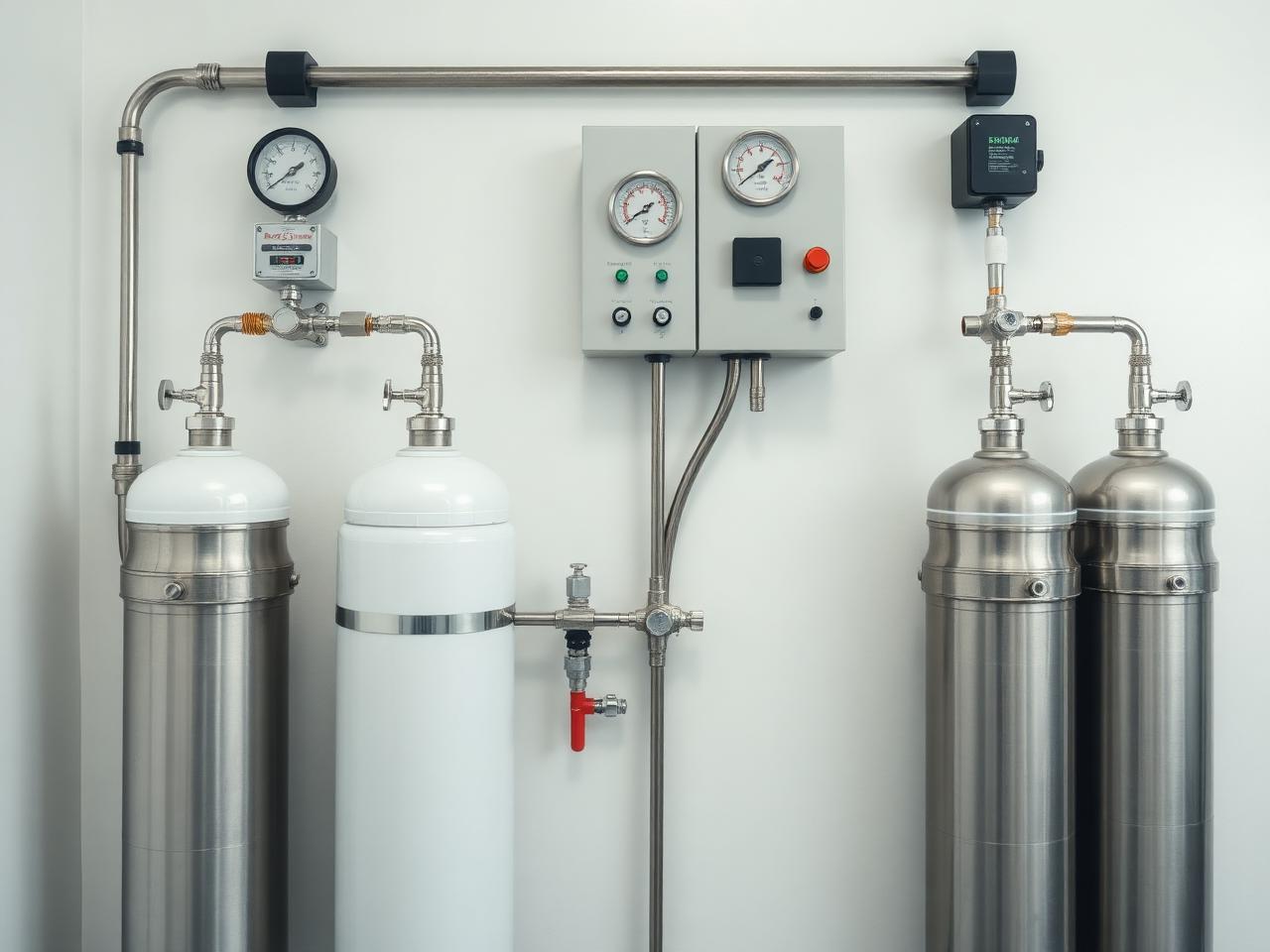
Medical Oxygen Manifold
Cylinder bank changeover unit that feeds the medical gas pipeline at a stable regulated pressure.
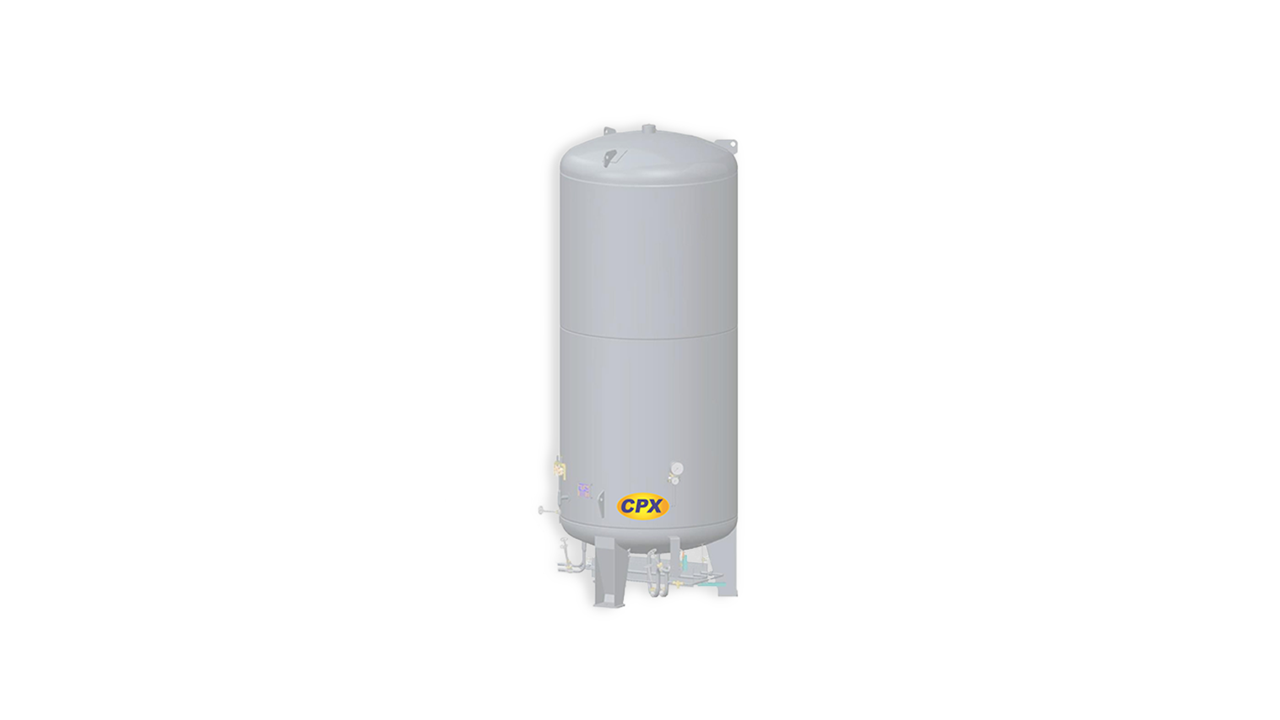
Liquid Oxygen Tank
Bulk liquid medical oxygen storage that feeds the facility pipeline at high flow rates with long autonomy.
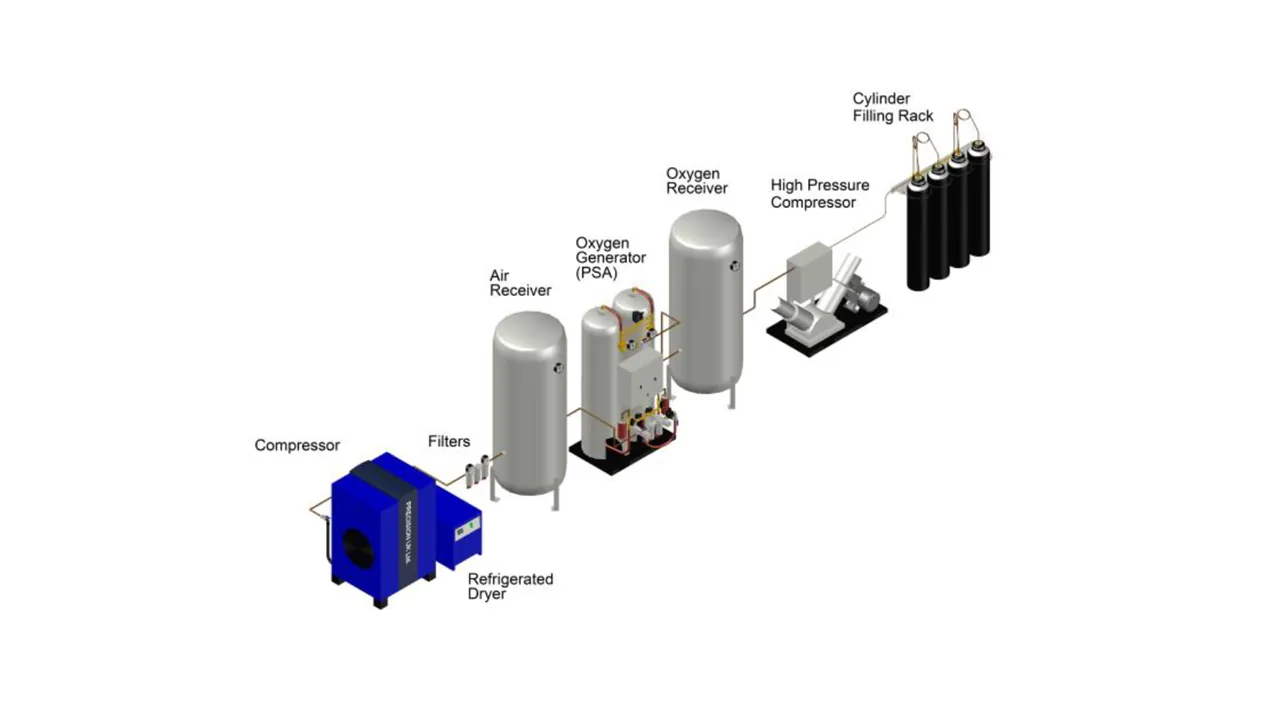
Medical Oxygen Generator
On-site medical oxygen generation plant that produces oxygen from ambient air to feed the facility pipeline.
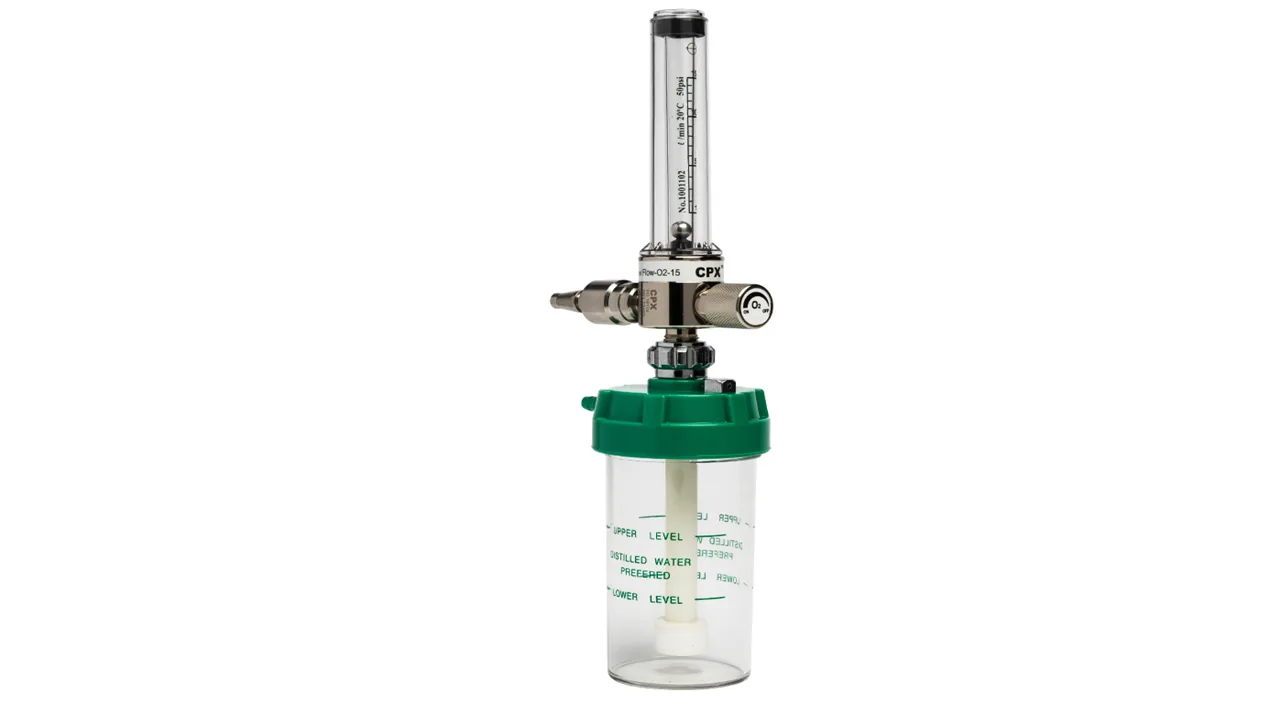
Oxygen Flow Meter
Oxygen flow meter fitted to the terminal unit to set the delivered flow rate.
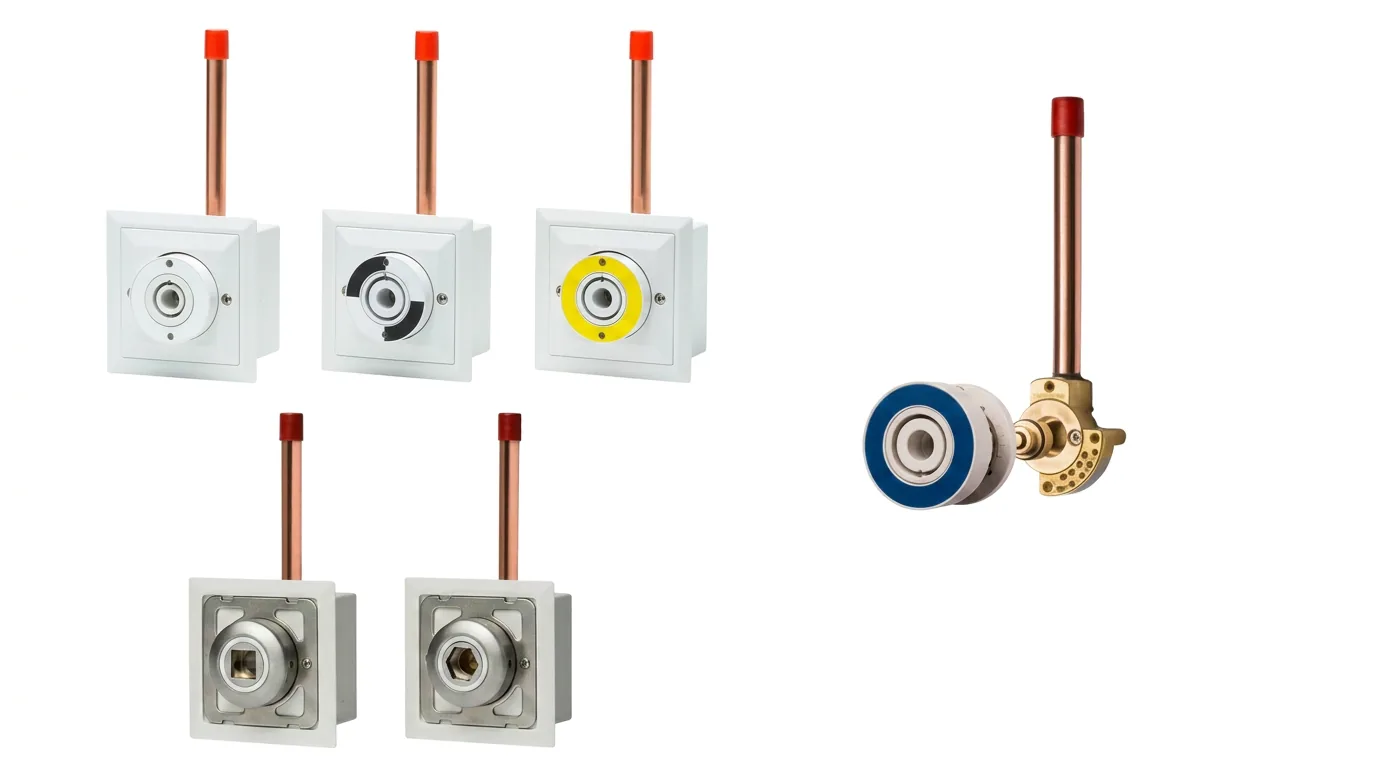
Medical Gas Outlets
Medical gas terminal unit at the patient point with a gas-specific connection that prevents wrong connection.
Related services
Related articles
Medical Gas Manifolds
How a Medical Gas Manifold works with alternating banks, and where it serves as a primary or reserve source.
Medical GasesMedical Copper Tube
Why degreased Medical Copper Tube is used in medical gas pipelines, and how it is stored, installed and jointed.
Medical GasesMedical Gas System Testing
The pre-handover test sequence for medical gas systems: pressure and leak, cross-connection, purity, flow and alarms.
Medical GasesWhat Are Medical Gas Systems?
An engineering overview of a hospital Medical Gas System: sources, pipeline, control and terminal units.
Have a project or an existing facility that needs an engineering review?
Our engineering team can review your requirement and propose a solution suited to the application, the site and the applicable requirements.