
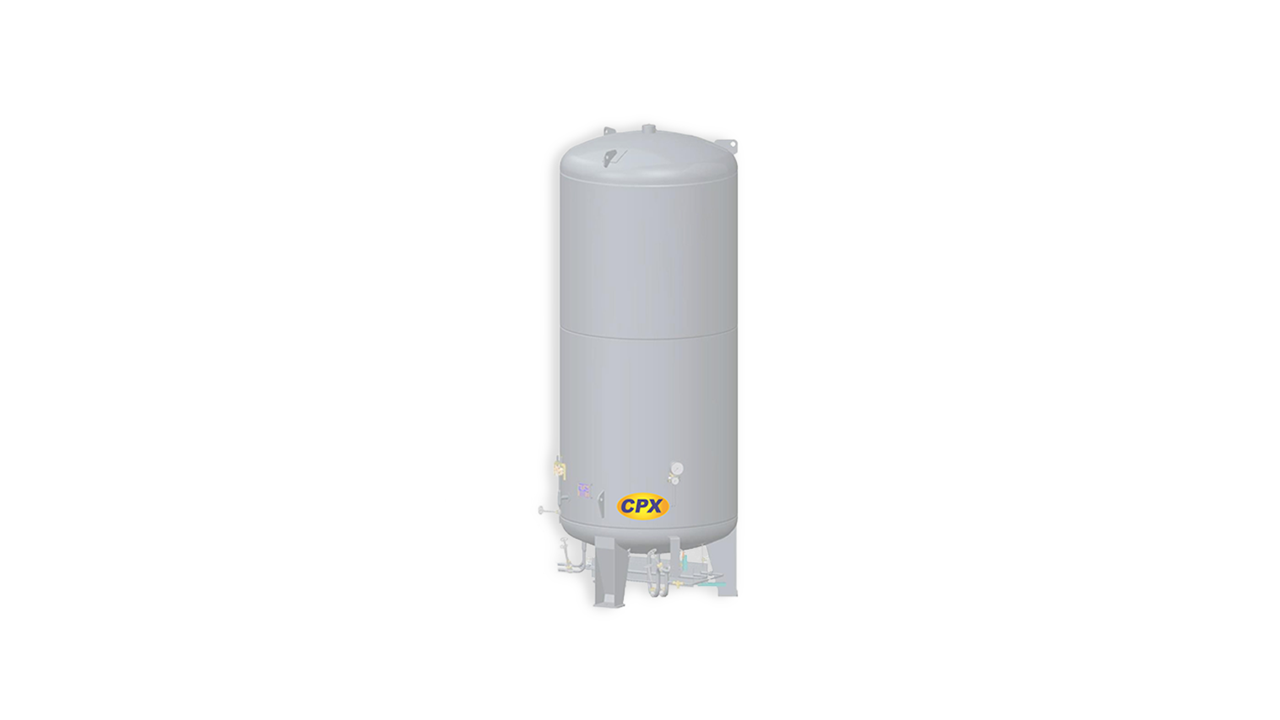
Liquid Oxygen Tank
Liquid Oxygen Tank
A liquid oxygen tank is the primary oxygen source for healthcare facilities with high consumption. It stores oxygen in liquid form at cryogenic temperature, then vaporises it and reduces its pressure to pipeline pressure before distribution to the departments.
What is it?
The station comprises a vacuum-insulated double-wall vessel, ambient vaporisers, a pressure regulation assembly and a reserve source (typically a cylinder manifold) to guarantee continuity of supply, together with contents and pressure instrumentation whose signals are wired to the medical gas alarm system. Tank capacity, location and safety distances are determined by the facility design load and the approved project specification.
Features
- High storage capacity that reduces refill frequency
- Vacuum insulation that limits boil-off losses
- Vaporisers and regulators that stabilise pipeline pressure
- Reserve source to guarantee continuity of supply
- Continuous contents and pressure monitoring
- Status signals wired to the medical gas alarm panel
Applications
- Hospitals and medical complexes
- Operating theatres and intensive care units
- Emergency and inpatient departments
- Dialysis centres
- Day-surgery centres and clinics
- Expansion and refurbishment projects in healthcare facilities
Technical specifications
Technical specifications and brands are set per project and per the approved specification — contact us for the technical data suited to your case.
Brand / Manufacturer
Brand and manufacturer are set by the approved project specification and are not stated here before they are confirmed.
Related services
Medical Gas System Design
Medical gas system design: terminal unit take-off, load calculation, source and pipe sizing, distribution and isolation drawings, and alarm requirements — to the project's approved specification.
Medical Gas Systems & Components Supply
Supply of medical gas components: manifolds, air and vacuum plants, degreased medical copper, isolation valves and AVSU units, alarm panels, outlets and bed head units — matched to the project specification.
Medical Gas Pipeline Installation
Medical gas pipeline installation: source installation, brazing of medical copper under inert gas, supports and labelling, isolation valves and AVSU units, outlets and bed head units, and preparation for testing.
Medical Gas Testing & Commissioning
Pre-handover medical gas testing and commissioning: pressure and leak testing, cross-connection testing, purging, purity and gas identity verification, terminal unit flow testing and alarm testing — with documented reports.
Medical Gas System Maintenance
Medical gas maintenance programmes: source and manifold inspection, valve and AVSU review, alarm panel testing, outlet checks, fault rectification and existing-system assessment with documented condition reports.
Related products
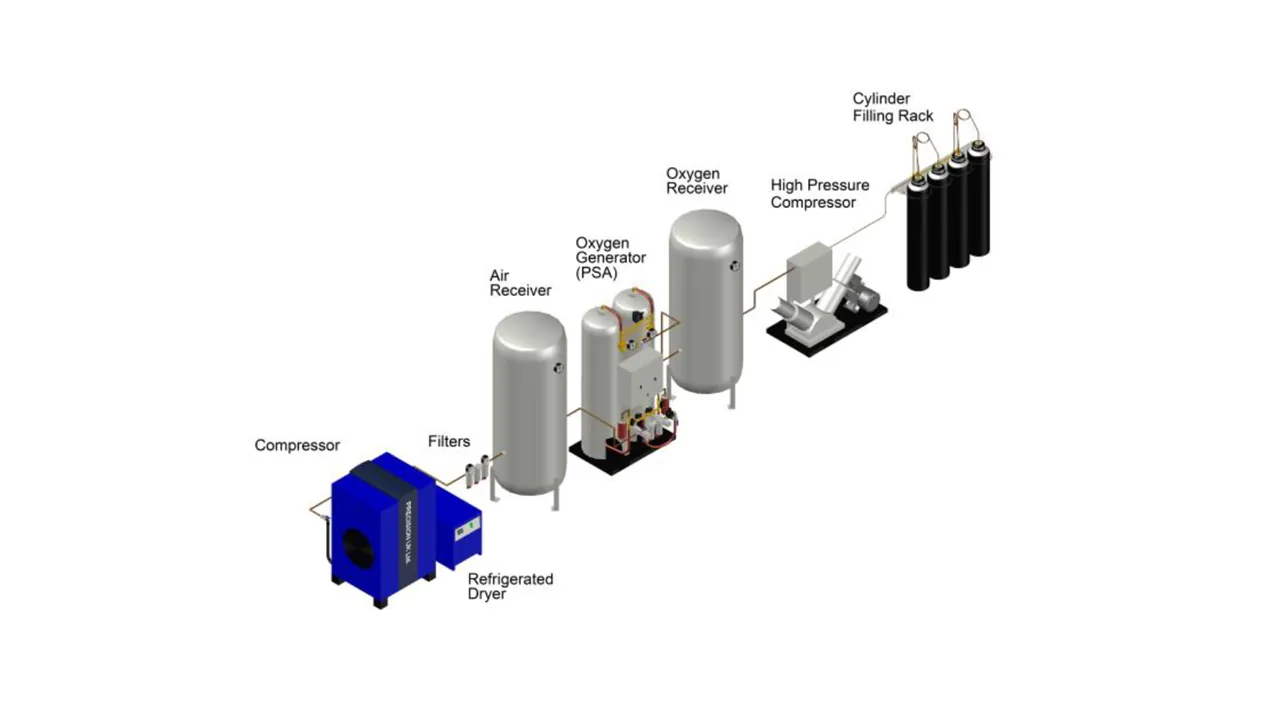
Medical Oxygen Generator
On-site medical oxygen generation plant that produces oxygen from ambient air to feed the facility pipeline.
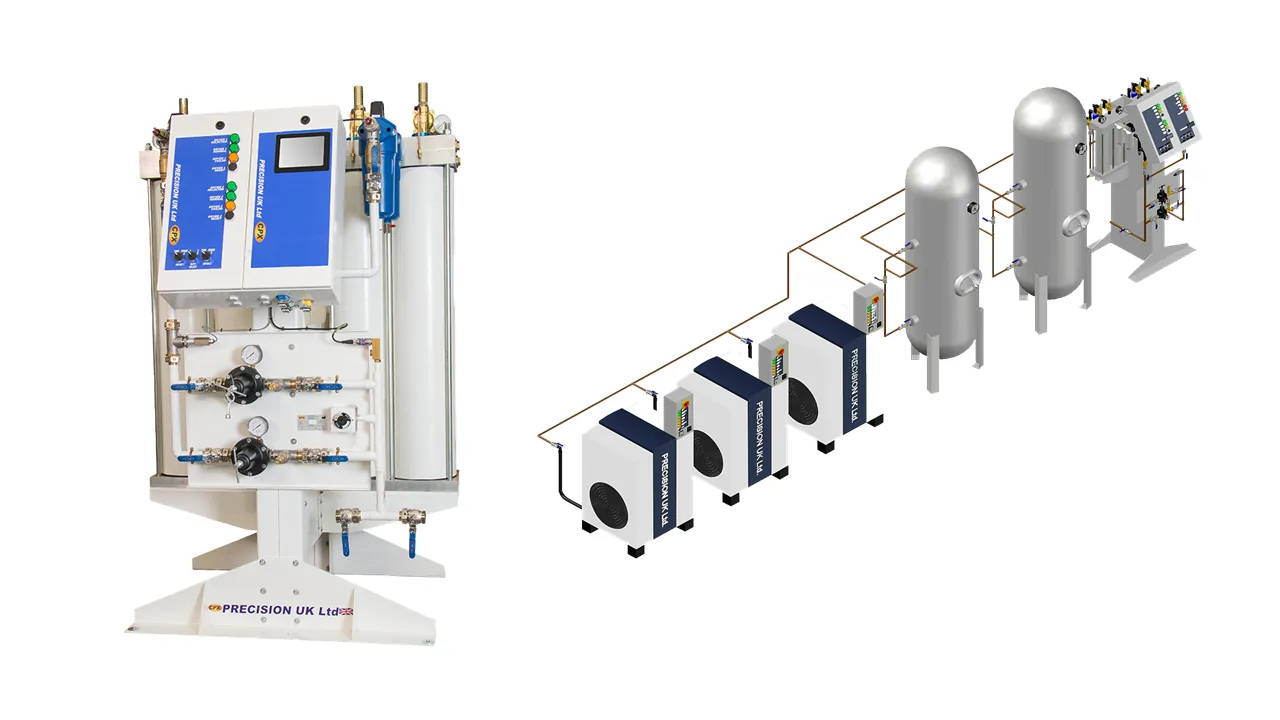
Medical Air Plant
Medical air plant with compressors, dryers and filters delivering clean, dry air to the pipeline.
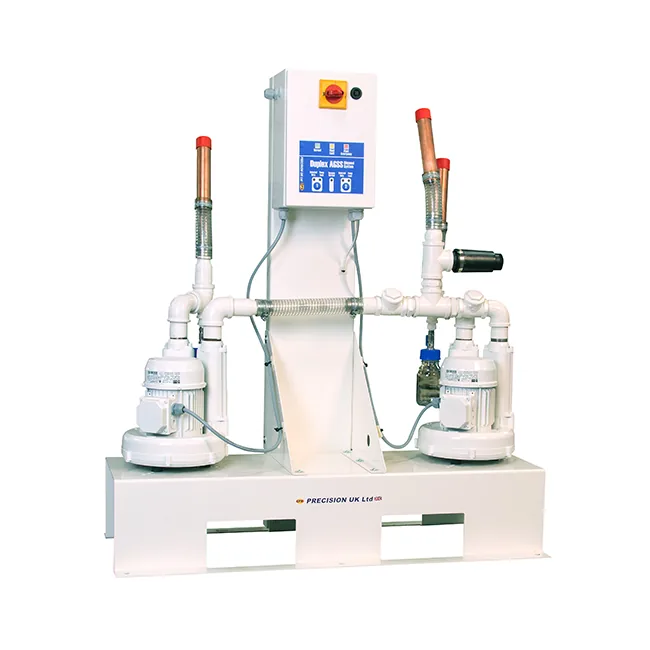
AGSS Plant
Anaesthetic gas scavenging plant that extracts waste gases from anaesthetising areas and discharges them outdoors.
Related technical articles
What are Medical Gas Systems?
In preparation
Medical Oxygen Systems
In preparation
Medical Gas Pipeline Design
In preparation
Frequently asked questions
When is liquid oxygen preferred over manifolds?
Liquid oxygen is preferred where daily consumption is high and continuous: it provides longer autonomy and a lower unit operating cost than cylinders, while a manifold remains as the reserve source.
What site requirements apply to the tank?
The tank requires an engineered concrete base, safety distances from buildings and hazards, tanker access, and appropriate ventilation and protection — all defined during design per the approved specification.
Have a project or an existing facility that needs an engineering review?
Our engineering team can review your requirement and propose a solution suited to the application, the site and the applicable requirements.