
LPG Systems for Restaurants & Kitchens
A commercial kitchen is a very different environment from a domestic one: higher loads, near-continuous operation, heat, grease and steam, and changing staff. The gas system must withstand these conditions and remain safely operable every day.
Simultaneous load calculation
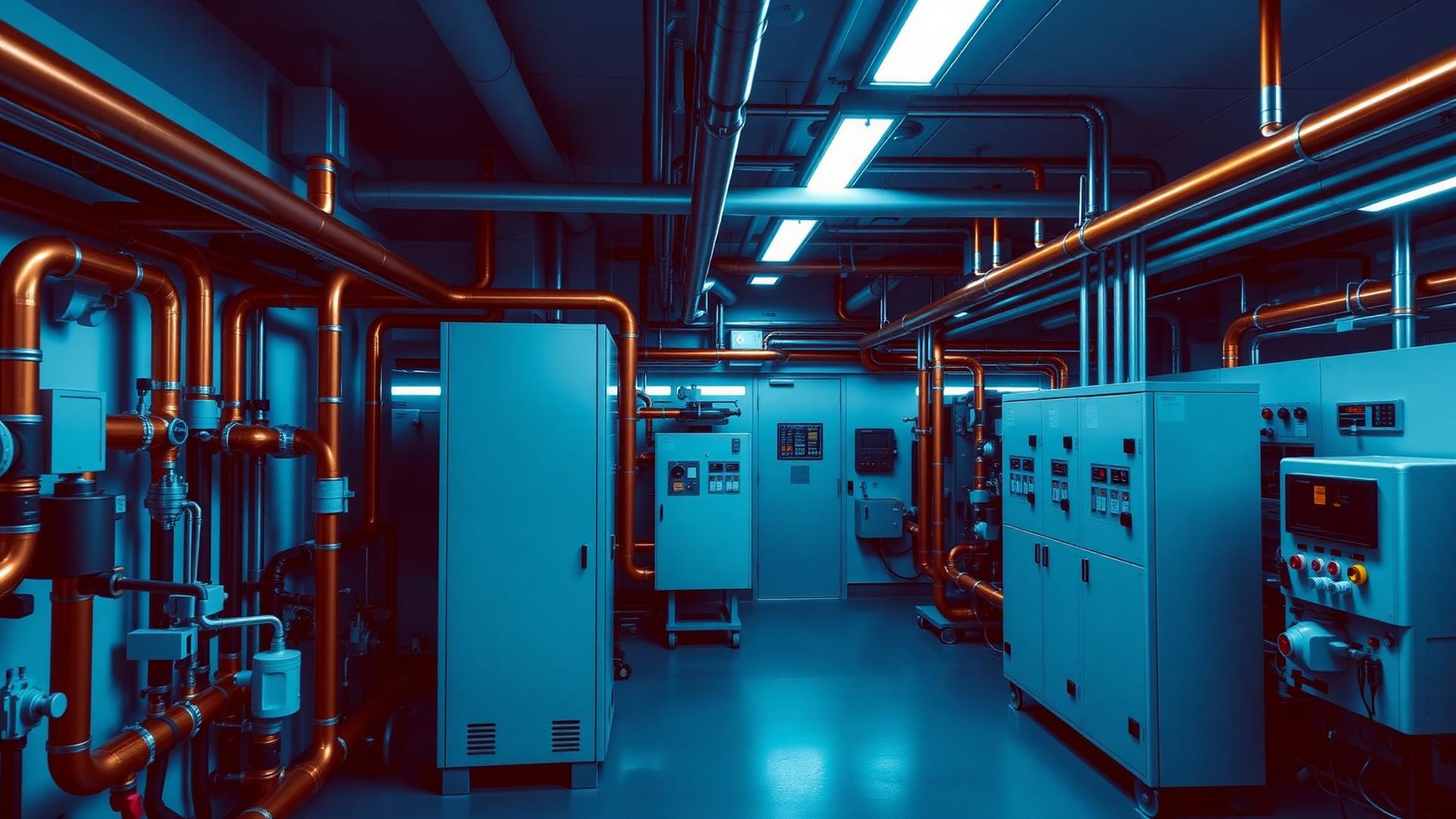
Not every appliance runs at full rate simultaneously, but at peak a large share does. The calculation is built from the actual appliance schedule and the kitchen's nature (fast food, full-service restaurant, central kitchen), because any shortfall here shows up as weak flame exactly during the busiest period.
Kitchen pipework layout
- An exposed, inspectable route wherever possible rather than concealment in finishes.
- An isolation valve before each appliance to ease service and replacement.
- Approved flexible connections at appliances that are moved for cleaning.
- Protection of pipework from direct heat and daily impact.
- A main kitchen isolation valve in a known, staff-accessible position.
Detection and emergency shut-off
The kitchen is covered by detectors distributed across areas where gas could accumulate, wired to a control panel that raises an audible alarm and closes a solenoid valve on the main line. A manual emergency stop at the kitchen exit is also preferable, so staff can cut the gas as they leave.
Ventilation and operation
Kitchen ventilation is not a comfort issue but part of the safety system, because accumulation of gas or combustion products in an enclosed space is a direct hazard. The gas system and the kitchen extract must be coordinated so appliances are not operated under inadequate ventilation.
Periodic maintenance
- Tightness checks of pipework and connections, especially flexibles exposed to movement and heat.
- Calibration and testing of gas detectors on an agreed interval.
- Actual functional testing of the emergency shut-off, not a paper check.
- Inspection of regulators and filters and verification of stable working pressure.
- Training new staff on the emergency procedure and valve locations.
Frequently asked questions
Why does the flame weaken at peak times?
Usually simultaneous demand above the design assumption, a blocked filter, or a regulator not matched to the required capacity. Diagnosis starts by measuring pressure at the most remote appliance during peak operation.
Can the kitchen be extended later?
Yes, but expansion requires reviewing total load, storage capacity and pipe sizing, since adding appliances to a network designed for a smaller load is a frequent cause of pressure problems.
Related products
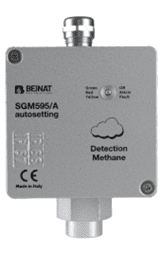
Water-Resistant Gas Leak Detector SGM595
Water-resistant gas leak detector for wet or exposed locations.
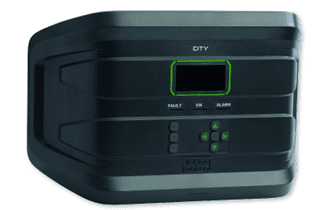
Gas Control Panel – 4 to 8 Detectors
Central control panel managing gas detectors, alarms and valve shut-off.

Normally Closed Gas Solenoid Valve 1 inch
Normally closed solenoid valve that automatically cuts gas supply on power loss or a leak alarm.
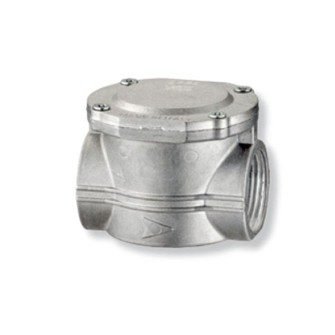
Gas Filters up to 1 inch – Small Capacity
Gas filter that captures particulates before they reach regulators, meters and appliances.
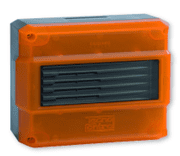
Gas Alarm Siren with Flashing Beacon
Alarm siren with flashing beacon that warns occupants when a gas leak is detected.
Related services
Related articles
Gas Leak Detection & Alarm Systems
How a Gas Leak Detection system works, and why it is always tied to emergency shut-off rather than an audible alarm alone.
LPG / Central GasCentral Gas System Safety
Safety principles for LPG systems: gas properties, protection layers, emergency procedures, and the inspections that keep them effective.
LPG / Central GasLPG Testing & Commissioning
The steps for testing and commissioning a central gas system: tightness, purging, regulator setting, detection and shut-off tests, and handover.
LPG / Central GasWhat Is a Central Gas System?
An overview of the LPG Central Gas System — from tank to appliances — and why it replaces scattered cylinders.
Have a project or an existing facility that needs an engineering review?
Our engineering team can review your requirement and propose a solution suited to the application, the site and the applicable requirements.