
Underground vs Above-ground LPG Tanks
The question recurs in almost every project: bury the tank or place it above ground? There is no universally correct answer, but clear criteria make the decision an engineering one rather than an aesthetic preference.
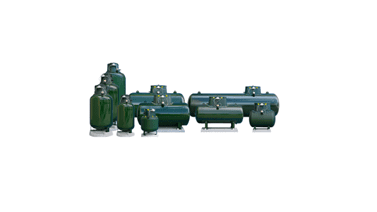
The above-ground tank
- Simpler installation and usually a shorter execution time.
- Direct visual inspection of the tank and its fittings at any time.
- Easier and cheaper maintenance and repair work.
- Requires visible space and clear separation distances on site.
- Exposed to weather and needs protection against impact and surface corrosion.
The underground tank
- Frees surface space and preserves the site's appearance.
- Less exposed to impact and direct heat.
- Requires excavation, foundation and site preparation at higher cost.
- Needs careful corrosion protection and monitoring of its condition.
- Inspection and maintenance access is only through a defined fittings dome.
- Suitability depends on soil conditions and groundwater level at the site.
Selection criteria
The practical decision rests on: genuinely available space, site requirements and separation distances, soil conditions, budget, and how much the finished appearance matters. Tight sites and appearance-driven projects lean underground; sites with available space and a preference for easy inspection lean above ground.
What does not change either way
- The need for correct pressure regulation and filtration before the network.
- Emergency shut-off and leak detection in the served areas.
- Tightness testing of the network before commissioning.
- A documented periodic inspection and maintenance programme.
- Safe tanker access for filling.
Frequently asked questions
Is an underground tank safer?
Each option has different strengths: underground is less exposed to impact and heat, above ground is easier to inspect directly and catch problems early. Real safety comes from installation quality, protection and periodic inspection in both cases.
Can an above-ground tank be buried later?
This is not a simple modification: corrosion protection and site preparation requirements differ fundamentally, and the decision needs a technical study of the site and the tank before any commitment.
Related products
Underground LPG Tank
Underground LPG tank that saves space and preserves the site's appearance.

Above-Ground LPG Tank
Above-ground LPG tank for central gas storage feeding the facility network.

APS2000 Adjustable First-Stage Regulator 1–3 bar
First-stage pressure regulator that steps tank pressure down to a stable distribution pressure.
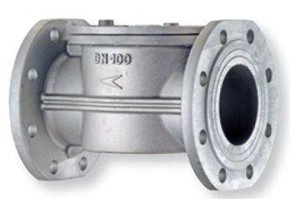
Gas Filters up to DN100
Gas filter that captures particulates before they reach regulators, meters and appliances.
Related services
Related articles
LPG Storage Tanks
The role of the LPG tank in the system, its essential fittings, capacity and siting criteria, and periodic inspection needs.
LPG / Central GasWhat Is a Central Gas System?
An overview of the LPG Central Gas System — from tank to appliances — and why it replaces scattered cylinders.
LPG / Central GasCentral Gas System Safety
Safety principles for LPG systems: gas properties, protection layers, emergency procedures, and the inspections that keep them effective.
LPG / Central GasLPG Testing & Commissioning
The steps for testing and commissioning a central gas system: tightness, purging, regulator setting, detection and shut-off tests, and handover.
Have a project or an existing facility that needs an engineering review?
Our engineering team can review your requirement and propose a solution suited to the application, the site and the applicable requirements.